


ChatGPT Definitions
This Storylizer is all about learning about the world with AI
6 members· by @olashoplife

8/24/2026, 9:07:50 AM
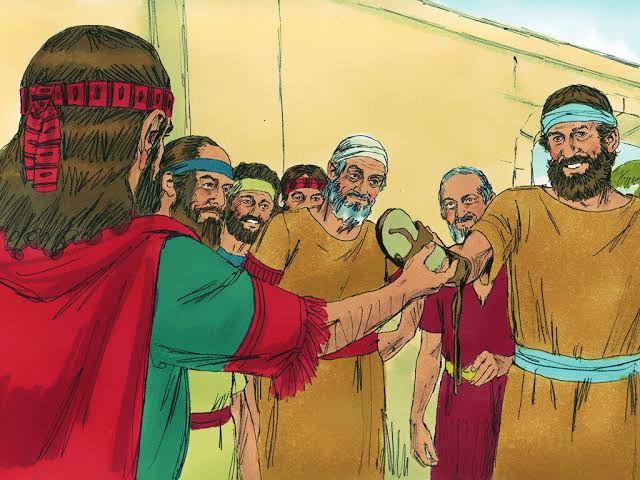
Biblical illustration of Redemption in the Book of Ruth
Yes. **Ruth 4:3–10 can be understood as a beautiful picture pointing toward Christ and His redeemed people**, although Ruth itself is not explicitly saying that Boaz is Jesus. The connection is a **biblical typological pattern**: Boaz acts as a kinsman-redeemer, and Christ is the ultimate Redeemer. ### 1. The property — what was lost Naomi's family had lost its inheritance because of the circumstances surrounding Elimelech's death and the family's time in Moab. The land had to be **redeemed**. This gives us a picture of something belonging to God's people that has been lost and needs restoration. In the larger biblical story, humanity also lost its inheritance through sin. > “For all have sinned, and come short of the glory of God.” — Romans 3:23 ### 2. The advertisement — the invitation Boaz says: > **“I thought to advertise thee, saying, Buy it before the inhabitants, and before the elders of my people.”** — Ruth 4:4 The opportunity is publicly presented. This can point us toward the **proclamation of the Gospel**. The Gospel announces that redemption is available through Christ: > “For God so loved the world, that he gave his only begotten Son…” — John 3:16 The Gospel is, in a sense, heaven's announcement: **Redemption is available. Come to the Redeemer.** ### 3. The purchase — a price is involved The nearer kinsman says: > **“I will redeem it.”** — Ruth 4:4 But biblical redemption is not merely an announcement. **A price has to be paid.** That is where the picture becomes much deeper in Christ. Peter says: > “Ye were not redeemed with corruptible things, as silver and gold… But with the precious blood of Christ.” — 1 Peter 1:18–19 Boaz redeemed through a legal transaction. **Christ redeemed through His blood.** ### 4. The nearer redeemer could not complete the redemption This is one of the most powerful parts of Ruth 4. The nearer kinsman initially says he will redeem the land. But when Ruth becomes part of the matter, he says: > **“I cannot redeem it for myself.”** — Ruth 4:6 He could not fulfill the complete redemption. This points beautifully toward the limitation of the law and human ability. Humanity needed **another Redeemer**. And Boaz was qualified. ### 5. Boaz was the qualified redeemer Boaz was: * a **kinsman** * willing to redeem * able to redeem * able to pay the price * willing to take Ruth as his own Christ fulfills the ultimate reality behind this pattern. He became our **Kinsman** by taking humanity upon Himself: > “Forasmuch then as the children are partakers of flesh and blood, he also himself likewise took part of the same…” — Hebrews 2:14 He was willing. He was able. He paid the price. And He took the redeemed as His own. ### 6. Ruth — the redeemed This is where the picture becomes particularly beautiful. Ruth was a **Moabite widow**, an outsider to Israel. Yet she is brought into the covenant family through the redemption of Boaz. And eventually Ruth becomes part of the lineage of David: **Ruth → Obed → Jesse → David → Christ.** So the woman who was once an outsider becomes part of the **messianic lineage**. That points toward the mystery of the Church: people who were once **“aliens from the commonwealth of Israel”** are brought near through Christ. > “But now in Christ Jesus ye who sometimes were far off are made nigh by the blood of Christ.” — Ephesians 2:13 ### 7. The redeemed become the bride There is an even greater fulfillment. Boaz doesn't merely purchase the field. He takes **Ruth**. > “Moreover Ruth the Moabitess, the wife of Mahlon, have I purchased to be my wife…” — Ruth 4:10 That is remarkable typologically. Christ doesn't merely rescue people from destruction. He **redeems a people for Himself**. The New Testament describes the Church as **the bride of Christ**: > “Christ also loved the church, and gave himself for it.” — Ephesians 5:25 So Ruth's story moves from: **outsider → redeemed → received → married → incorporated into the lineage** And the Gospel moves from: **sinner → redeemed → justified → adopted → united with Christ → part of His Bride.** ### The complete picture You could therefore express Ruth 4's pattern this way: **ADVERTISE** The opportunity of redemption is proclaimed. ↓ **BUY** The Redeemer accepts the transaction. ↓ **PAY THE PRICE** The redemption is accomplished at a cost. ↓ **REDEEM** The property and the person are restored. ↓ **RECEIVE** Ruth becomes Boaz's wife. ↓ **INHERITANCE** The redeemed become part of the covenant lineage. And in Christ: **THE GOSPEL IS ANNOUNCED** ↓ **CHRIST PURCHASES** ↓ **CHRIST PAYS THE PRICE WITH HIS BLOOD** ↓ **CHRIST REDEEMS** ↓ **THE REDEEMED BECOME HIS** ↓ **THE REDEEMED BECOME HIS BRIDE** ↓ **THE REDEEMED RECEIVE AN INHERITANCE** This makes Ruth 4 a remarkably rich picture of **the Redeemer and the redeemed**. And there is one especially profound connection: **Boaz's redemption of Ruth ultimately leads into the genealogy of Jesus Christ in Matthew 1.** Ruth, the outsider who was redeemed, becomes part of the very family line through which **the Redeemer Himself enters the world**. So, in a beautiful biblical sense: **The story of the redeemer in Ruth eventually becomes part of the story of the Redeemer in Christ.**

8/3/2026, 7:32:24 AM
To Walk Circumspectly means
To walk circumspectly means to live carefully, wisely, and with deliberate attention to how you conduct yourself. The phrase comes from Ephesians 5:15 (KJV): > "See then that ye walk circumspectly, not as fools, but as wise." The word circumspectly comes from Latin roots meaning "to look around". It conveys the idea of watching your steps in every direction. In practical terms, walking circumspectly means: Being spiritually alert rather than careless. Making wise decisions instead of acting impulsively. Avoiding temptation by recognizing potential dangers. Living in a way that honors God, even when no one is watching. Thinking about the consequences of your words and actions before you act. A good illustration is someone walking along a narrow mountain path. They watch every step because one careless move could cause them to stumble. Likewise, Christians are called to live thoughtfully and wisely in a world filled with moral and spiritual pitfalls. The next verse, Ephesians 5:16, explains why: > "Redeeming the time, because the days are evil." So, to walk circumspectly is to live with wisdom, vigilance, and discernment, making the most of every opportunity while avoiding anything that would lead you away from God's will.
7/31/2026, 10:20:35 AM
Matthew 13 verse 44 and 45 Explained
In Matthew 13:44–45, Jesus tells two short parables that teach the same central truth: the Kingdom of Heaven is worth giving up everything to obtain. Matthew 13:44 – The Treasure Hidden in a Field > "The kingdom of heaven is like treasure hidden in a field. When a man found it, he hid it again, and then in his joy went and sold all he had and bought that field." The man unexpectedly discovers a priceless treasure. Recognizing its incomparable value, he gladly sells everything he owns to buy the field. The emphasis is not on the sacrifice, but on the joy of gaining something far more valuable than everything he gave up. Spiritually, this means that when someone truly encounters God's Kingdom—His life, truth, and reign—they realize nothing else compares. Earthly possessions, status, and ambitions become secondary. Matthew 13:45–46 – The Pearl of Great Price > "Again, the kingdom of heaven is like a merchant looking for fine pearls. When he found one of great value, he went away and sold everything he had and bought it." Unlike the first man, this merchant was intentionally searching. After examining many pearls, he finally finds one of unsurpassed value. He sells everything to obtain it. This shows that whether a person discovers Christ unexpectedly or has been searching for truth all their life, the conclusion is the same: Jesus and His Kingdom are worth more than everything else combined. A deeper spiritual insight These two parables reveal that: The Kingdom must be recognized before it is truly valued. Those who understand its worth respond with wholehearted commitment. Following Christ is not merely about giving things up; it is about exchanging lesser things for the greatest treasure. The Kingdom is not something to add to your life—it becomes the central reality around which everything else is ordered. In the context of your recent Bible study interests, these parables also connect with Matthew 11:12, where the Kingdom is pursued with determination. Here, Jesus shows why people press into the Kingdom: because they have seen its incomparable worth. The question these parables leave us with is: Have we truly seen the Kingdom as the greatest treasure, or are we still treating it as one valuable thing among many?

7/29/2026, 8:21:45 AM
Force explained in the Passage - The Violent take it by Force
In Gospel of Matthew 11:12, Jesus was not using the word force in the physical sense of a push or pull. He was speaking metaphorically about determined, energetic action in relation to the Kingdom of God. The verse (NKJV) reads: "And from the days of John the Baptist until now the kingdom of heaven suffers violence, and the violent take it by force." The key Greek words are: biazetai (βιάζεται) – can mean "is subjected to violence," "is forcefully advancing," or "is being pressed into." biastai (βιασταί) – "forceful people," "violent people," or "those who press in with determination." Because these words can legitimately be translated in different ways, there are two major interpretations. 1. Opposition against the Kingdom Many scholars understand Jesus to mean that the Kingdom has been under attack since John the Baptist began preaching. John was imprisoned, Jesus faced increasing hostility, and many opposed God's work. In this view, "the violent take it by force" refers to persecutors trying to suppress the Kingdom. 2. Determined pursuit of the Kingdom Another interpretation is that Jesus was describing the intense response to the Kingdom. People who truly recognize its value pursue it with wholehearted determination. "Force" here is not physical violence but spiritual earnestness—a refusal to let anything prevent them from entering God's Kingdom. This understanding fits passages such as: Luke 16:16: "The Law and the Prophets were until John. Since that time the kingdom of God has been preached, and everyone is pressing into it." Jacob wrestling with God until he received a blessing (Genesis 32:24–30). The woman with the issue of blood pressing through the crowd to touch Jesus (Mark 5:25–34). What does "force" mean spiritually? In this context, force is the strength of: unwavering faith, persistent prayer, wholehearted repentance, courage in the face of opposition, determination to obey God regardless of the cost. It is not force against people, but force against unbelief, sin, discouragement, fear, and every obstacle that would keep someone from God's Kingdom. So when Jesus says that "the violent take it by force," He is not endorsing physical aggression. He is describing the intensity and resolve with which people respond to God's Kingdom—or, depending on the translation, the intense conflict surrounding its arrival.

7/29/2026, 8:15:20 AM
What is a Force
A force is a push or pull acting on an object that can change its state of motion or its shape. A force can: Make a stationary object start moving. Stop a moving object. Change the speed of an object. Change the direction of motion. Change the shape or size of an object (for example, by stretching or compressing it). For example: Pushing a shopping cart is a push. Pulling a rope is a pull. Gravity pulling an apple toward the ground is also a force. To understand how force affects motion, this interactive illustration is helpful: F_{\mathrm{net}} = ma In physics, force is measured in newtons (N), named after Isaac Newton. Simple definition: Force is a push or a pull that can change the motion or shape of an object.

7/28/2026, 10:31:57 AM
How is Blame the Core of all negative Emotions
Blame is often described as the core of many negative emotions because it shifts responsibility for pain, loss, or disappointment onto someone or something. Whether we blame others, ourselves, or circumstances, blame tends to fuel emotional suffering rather than resolve it. Here's how it connects to common negative emotions: Anger often grows from blaming someone for hurting or wronging us. Resentment is sustained blame that we continue to hold over time. Guilt is blaming ourselves for something we did or failed to do. Shame goes a step further—rather than blaming an action, we blame ourselves as a person ("I am bad," not just "I did something bad"). Bitterness develops when blame is held for a long time without forgiveness or acceptance. Jealousy may involve blaming others or life for having what we lack. Victimhood can arise when we believe our situation is entirely caused by others and that we have no agency. Blame keeps our attention on who is at fault, whereas growth asks, "What can I learn? What can I do now?" This doesn't mean people are never responsible for wrongdoing. Someone can genuinely wrong us, and accountability matters. But emotionally, remaining in blame often prolongs pain, while moving toward understanding, forgiveness (where appropriate), acceptance, and constructive action helps us heal. From a biblical perspective, blame first appears immediately after humanity's fall. In Genesis 3, Adam blamed Eve, Eve blamed the serpent, and neither took full responsibility. This illustrates how blame can become a way of avoiding responsibility and deepening separation from God and one another. So, blame is not literally the cause of every negative emotion—grief after losing a loved one, for example, does not require blame. However, many persistent negative emotions are intensified or sustained by blame. Replacing blame with responsibility, wisdom, and grace often leads to greater emotional freedom.

7/28/2026, 7:17:28 AM
The dew of heaven" in relation to "the fatness of the earth
The phrase "the dew of heaven" in relation to "the fatness of the earth" appears most famously in Genesis 27:28, where Isaac blesses Jacob: > "Therefore God give thee of the dew of heaven, and the fatness of the earth, and plenty of corn and wine." These two expressions are closely connected and together describe a life of divine blessing. The dew of heaven represents God's favour, grace, and heavenly provision. In the ancient Near East, dew was essential because it watered the ground even when rain was scarce. Spiritually, it points to refreshment, wisdom, divine presence, revelation, and blessings that come directly from God. The fatness of the earth represents the earth's productivity and abundance. "Fatness" refers to fertile, rich soil capable of producing plentiful crops. It symbolizes material prosperity, fruitful labour, wealth, and the ability to enjoy the resources of the land. The relationship between the two is that the dew of heaven enables the fatness of the earth to produce abundance. Heaven's blessing comes first, and the earth responds with fruitfulness. Without the dew, even fertile land can become barren. Likewise, in a spiritual sense, human effort and earthly resources are most fruitful when accompanied by God's favour. This theme is echoed throughout Scripture: heaven's blessing brings earthly fruitfulness. The biblical picture is one of divine grace meeting human productivity, resulting in a life that is spiritually refreshed and materially fruitful. For believers today, the passage reminds us to seek not only the "fatness of the earth" (resources, success, and prosperity) but first the "dew of heaven"—God's presence, wisdom, and blessing. When God's favour rests on a person's life, it brings fruitfulness to the work of their hands.

Differences between mindset, belief system and mentality
7/13/2026, 4:47:06 PM
Proverbs 13:23 (NIV): > "An unplowed field produces food for the poor, but injustice sweeps it away." Meaning: This proverb teaches that there is often enough potential for people to live and thrive—even those with little—but injustice, corruption, or unfair treatment can deprive them of what they need. It highlights two truths: God has provided resources that can sustain people. Unjust systems or actions can prevent those resources from benefiting the people who need them most. Some translations, such as the KJV, render the second half as: > "...but there is that is destroyed for want of judgment." This emphasizes that poverty is not always the result of laziness; sometimes it is caused by a lack of justice, wise leadership, or fair treatment. The verse encourages both wise stewardship of resources and a commitment to justice and righteousness in society.
7/13/2026, 4:28:31 PM
In Genesis 23:16, Abraham purchased the cave of Machpelah from Ephron the Hittite. The verse says: > "Abraham weighed out to Ephron the silver he had named in the hearing of the Hittites: 400 shekels of silver, according to the weight current among the merchants." (ESV) The phrase "current money with the merchant" (or "according to the weight current among merchants") means: The 400 shekels were measured using the standard commercial weight accepted by merchants of that time. There were no minted coins yet in Abraham's day. People commonly traded by weighing silver on a balance. It emphasizes that Abraham paid the full, honest market value, using the recognized business standard, leaving no room for dispute over the transaction. Spiritual significance This verse also highlights Abraham's integrity: He paid the full price instead of taking the land as a gift. He conducted the purchase publicly and transparently. He secured a legal and undisputed possession of the burial site for his family. So, "current money with the merchant" refers to silver weighed according to the accepted commercial standard of the time, ensuring a fair and legally recognized transaction.
7/7/2026, 11:48:03 AM
difference between shareholders, customers and stakeholders.
The three terms describe different relationships with a business. Term Who they are Main interest Example Shareholders Individuals or organizations that own shares in a company. Increasing the value of their investment and earning dividends. Someone who owns 5% of Olashoplife Publishing Ltd. Customers People or businesses that buy a company's products or services. Receiving quality products, good service, and value for money. An artist paying Olashoplife Publishing to distribute music. Stakeholders Anyone who is affected by or can affect the company's activities. This is the broadest group. Varies depending on their relationship with the company. Employees, customers, shareholders, suppliers, regulators, communities, and partners. The relationship Think of it like three circles: Shareholders are owners of the company. Customers are buyers of the company's products or services. Stakeholders include both shareholders and customers, plus many others. Example using your business For Olashoplife Publishing Ltd: Shareholders You (founder) Investors who purchase equity in the company Customers Artists paying for music distribution Authors publishing books Fans purchasing music or books Businesses buying advertising or promotional services Stakeholders Shareholders Customers Employees Music artists and authors Payment providers Banks Government regulators Suppliers and technology partners Local communities Business partners Simple way to remember Shareholders = Own the business. Customers = Buy from the business. Stakeholders = Have an interest in or are affected by the business. Every shareholder is a stakeholder, but not every stakeholder is a shareholder. Likewise, customers are stakeholders, but they usually do not own the company unless they have also invested in it.
7/5/2026, 4:29:21 PM
How to Make Friend woth your Crush via Phone
If you just met someone, the goal isn't to keep the conversation long at all costs—it's to make it enjoyable, natural, and balanced. People usually stay engaged when they feel heard and when the conversation flows from genuine curiosity. Here are some ways to keep a phone conversation going: 1. Start with something light "How has your day been?" "What's the highlight of your week so far?" "Have you been up to anything interesting today?" 2. Ask open-ended questions Instead of questions that can be answered with "yes" or "no," ask: What's something you're passionate about? What's your dream vacation? What kind of music do you enjoy? What's your favorite childhood memory? If you could learn any skill instantly, what would it be? 3. Follow up on her answers If she says she likes cooking, don't move on immediately. Ask: "What's your signature dish?" "Who taught you to cook?" "Have you ever thought about starting a food business?" The follow-up questions are what make conversations last. 4. Share about yourself too Don't make it feel like an interview. If she answers a question, respond with your own experience. Example: > "I love Afrobeats." "Nice! I listen to Afrobeats a lot too. Which artist do you have on repeat these days?" 5. Play simple conversation games This or That Would You Rather 20 Questions Two Truths and a Lie These are fun and reveal a lot about each other. 6. Talk about future plans Where do you see yourself in five years? What's one business or career you'd love to build? What's on your bucket list? 7. Ask about opinions People often enjoy sharing what they think. What's one thing people spend too much money on? Do you think social media helps or hurts relationships? If you could change one thing about the world, what would it be? 8. Use what she tells you If she mentions she has siblings, pets, or enjoys movies, circle back later: "You mentioned your younger brother earlier. What's he like?" This shows you're listening. 9. Be comfortable with short pauses You don't have to fill every second with words. A brief silence isn't a problem. 10. End while the conversation is still enjoyable Instead of talking until you're both exhausted, you can say: > "I've really enjoyed talking with you. Let's continue this another day." That leaves both of you looking forward to the next call. Conversation topics that usually work well Hobbies Family (without getting too personal) Music Movies and TV shows Food Travel School or work Funny experiences Goals and dreams Faith and values (if it feels appropriate) Childhood memories The most important skill is to listen carefully and ask thoughtful follow-up questions. People often remember how a conversation made them feel more than the specific topics you discussed.
7/4/2026, 6:03:28 PM
Meaning of Autonomous
Autonomous means able to act or make decisions independently, without being controlled by someone else. Here are a few examples: An autonomous person: Someone who can think and act independently. An autonomous vehicle: A self-driving car that operates without a human driver. An autonomous region: An area that governs itself to some extent, even though it is part of a larger country. Synonyms: independent, self-governing, self-directed, self-sufficient. Example sentence: > "She is an autonomous learner who studies without needing constant guidance."

6/20/2026, 9:37:48 AM
What is a A Mobile Virtual Network Operator (MVNO)
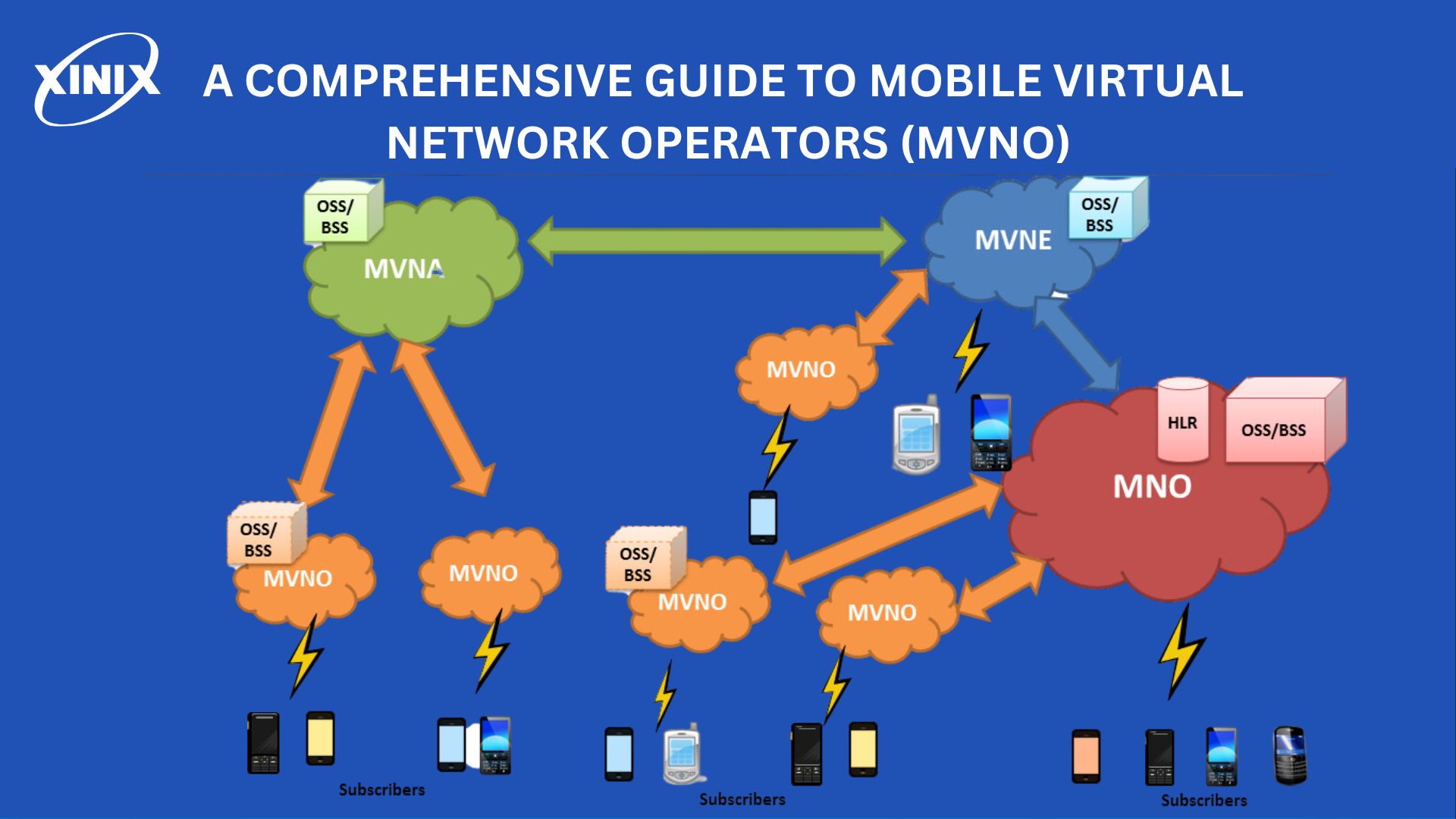
A Mobile Virtual Network Operator (MVNO) is a company that provides mobile phone services without owning its own wireless network infrastructure. Instead of building and operating cell towers, radio networks, and spectrum licenses, an MVNO leases network access from a traditional mobile network operator (MNO) and resells it to customers under its own brand. How it works 1. A major carrier owns the network (towers, spectrum, equipment). 2. The MVNO buys network capacity from that carrier. 3. The MVNO sells mobile plans to consumers, often with its own pricing, customer service, billing, and branding. Examples Many well-known MVNOs operate on the networks of larger carriers: Mint Mobile → uses the network of T-Mobile. Visible → uses the network of Verizon. Google Fi → primarily uses the network of T-Mobile. Lycamobile → operates on host networks in many countries. Benefits of MVNOs Lower prices than major carriers Flexible prepaid plans No long-term contracts (often) Specialized services for certain customer groups Potential drawbacks Lower priority during network congestion Fewer premium features Less extensive customer support Limited international roaming on some plans Simple analogy Think of a major carrier as a hotel owner and an MVNO as a travel company that books blocks of hotel rooms and resells them to travelers under its own package. The travel company doesn't own the hotel, but it can still sell accommodations. In short, an MVNO is a mobile service provider that uses another company's wireless network instead of owning its own network infrastructure.
6/20/2026, 7:49:00 AM
Open Heaven Devotional by Pastor E A Adeboye
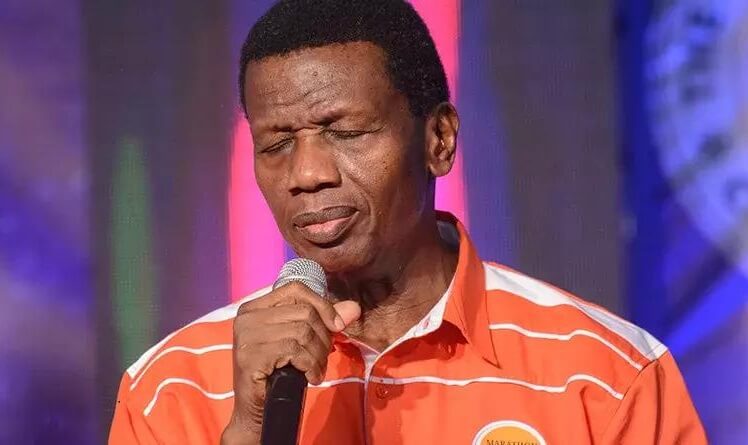
OPEN HEAVEN 20 JUNE 2026 OPEN HEAVEN 20 JUNE 2026 SATURDAY: OBEY HIM OPEN HEAVEN 20 JUNE 2026 MEMORISE: "And Samuel said, Hath the LORD as great delight in burnt offerings and sacrifices, as in obeying the voice of the LORD? Behold, to obey is better than sacrifice, and to hearken than the fat of rams." 1 Samuel 15:22 OPEN HEAVEN 20 JUNE 2026 READ: GENESIS 22:1-3, MATTHEW 2:13-14 1 And it came to pass after these things, that God did ytempt Abraham, and said unto him, Abraham: and he said, Behold, here I am. 2 And he said, Take now 6thy son, thine only son Isaac, whom thou lovest, and get thee into the land of Moriah; and offer him there for a burnt offering upon one of the mountains which I will tell thee of. 3 And Abraham rose up early in the morning, and saddled his ass, and took two of his young men with him, and Isaac his son, and clave the wood for the burnt offering, and rose up, and went unto the place of which God had told him. MATTHEW 2:13-14 13 And when they were departed, behold, the angel of the Lord appeareth to Joseph in a dream, saying, Arise, and take the young child and his mother, and flee into Egypt, and be thou there until I bring thee word: for Herod will seek the young child to destroy him. 14 When he arose, he took the young child and his mother by night, and departed into Egypt: OPEN HEAVEN 20 JUNE 2026 BIBLE IN ONE YEAR: PSALMS 81-88 OPEN HEAVEN 20 JUNE 2026 MESSAGE: Sometimes, God gives instructions that appear to be very difficult to obey, and because of that, some Christians delay obeying them for long periods. There is, however, little difference, if any, between delaying obedience to God’s instructions and outright disobedience. When God asked Abraham to offer Isaac to Him as a sacrifice in Genesis 22:1-3, I imagine that he did not discuss the matter with his wife. He probably thought that discussing God’s instruction with Sarah would cause delays, and he wouldn’t be able to carry it out. Even though God instructed him to do something difficult, he must have decided to obey promptly and not ponder over it. As a result of his obedience, God swore by Himself to bless him and his seed forever (Hebrews 6:13-14). In the same vein, Joseph didn’t linger when an angel told him in a dream to flee to Egypt with Jesus and his mother (Matthew 2:13). If he had lingered, Herod’s soldiers could have caught up with them. Prompt obedience always leads to preservation and attracts God’s blessings. When God gives you an instruction, He wants you to obey it promptly. Don’t query Him; just obey the instruction. In addition to promptly obeying His instructions, God also wants you to obey Him willingly. In Isaiah 1:12, He said, ‘If ye be willing and obedient, ye shall eat the good of the land:” Lastly, God expects you to obey Him completely. Some Christians believe they can selectively choose which of God’s instructions to obey and which to disregard. However, when it comes to following God, there is no such thing as partial obedience; you either go all the way with Him or do not go at all. Saul made this mistake when God instructed him to utterly destroy the Amalekites (1 Samuel 15:1-3). Instead of obeying God’s express command to destroy everyone and everything they owned, he spared the king and the best sheep, oxen, and lambs. Saul’s partial obedience displeased God and led to his rejection (1 Samuel 15:26). This is because partial obedience equals disobedience in God’s sight. God will never be pleased with less than total obedience. Prompt and wholehearted obedience is always worth more than sacrifices made to Him (1 Samuel 15:22-23). Beloved, has God given you instructions concerning any matter? Ask Him for the grace to obey them promptly, willingly, and completely. I pray that the Lord will turn every stony, disobedient heart to a heart of obedience, in Jesus’ name. OPEN HEAVEN 20 JUNE 2026 PRAYER POINT: Father, please help me to always obey your instructions willingly, promptly, and wholeheartedly. OPEN HEAVEN 20 JUNE 2026 HYMN 30: WHEN WE WALK WITH THE LORD 1 When we walk with the Lord In the light of His Word, What a glory He sheds on our way! While we do His good will, He abides with us still, And with all who will trust and obey. Chorus: Trust and obey, for there's no other way To be happy in Jesus, but to trust and obey. 2 Not a shadow can rise, Not a cloud in the skies, But His smile quickly drives it away; Not a doubt nor a fear, Not a sigh nor a tear, Can abide while we trust and obey. 3 Not a burden we bear, Not a sorrow we share, But our toil He doth richly repay; Not a grief nor a loss, Not a frown nor a cross, But is blest if we trust and obey. 4 Then in fellowship sweet We will sit at His feet, Or we'll walk by His side in the way; What He says we will do, Where He sends we will go, Never fear, only trust and obey. PRAYER POINTS ON OPEN HEAVEN 20 JUNE 2026 OBEY HIM Let Us Pray in Jesus' name 1 Father, thank You for the salvation of my soul. Thank You for showing me the path of righteousness and making me a light to the world. 2 Father, please, help me to delight myself in obeying Your voice at all times. May my heart not be hardened to doing Your will, in Jesus’ name. 3 Father, please I repent of every act of disobedience to Your commands. No matter how difficult they appear, help me never to delay in obeying Your instructions anymore, in Jesus’ name. 4 Father, please open my ears to hear Your instructions always; help me to be prompt in obedience to You, and to desist from people that may want to stop me from carrying out Your commands, in Jesus’ name. 5 Father, please help me not to linger in answering Your call to take decisive steps as You instruct me either through dreams or through the spiritual leaders You have placed over me, in Jesus’ name. 6 Father, please help me not to fall into the hands of the devil and lose Your divine preservation and blessings through disobedience, in Jesus’ name. 7 Father, please help me not to try to query You in my heart and in my actions, but to obey You promptly and willingly, in Jesus’ name. 8 Father, please help me never to be selective in my obedience to Your instructions but to obey You completely, and never partially, in Jesus’ name. 9 Father, please help me to go all the way with You, in whatever circumstances I may find myself, help me to choose to obey You at all times, in Jesus’ name. 10 Father, please turn every stony, disobedience heart in me, to a heart of complete obedience to You, in Jesus’ name. 11 Father, please help me to always obey Your instructions willingly, promptly and wholeheartedly, in Jesus’ name. 12 Father, thank You for the life of obedience of Your son, Pastor Enoch Adejare Adeboye. Please help him to continually live a life of complete and prompt obedience to Your instructions, in Jesus’ name. Bless his children (biological and spiritual). Help him to continue to produce sons and daughters to Your glory, in Jesus’ name. 13 Father, please bless Your son that You have been using to prepare these prayer points, beyond measure, and all those who have been rebroadcasting them, in Jesus’ name. 14 Father, please let every challenge, hindrance and obstacles of getting these prayer points across to Your children, timely, and on a daily basis be removed, in Jesus’ name. 15 Your Personal petitions. (Philippians 4:6) 16 In Jesus name I pray (John 14:13-14; 15:16) 17 Thank you Father for answered prayers. (1 Thessalonians 5:18). #GodBlessOurNation These prayers have no expiry date! Please join us in prayer, irrespective of the time they get to you. Remain blessed, in Jesus’ name. Note: These prayers are spiritual and can only be understood and fully enjoyed by God’s children. To fully benefit from these prayers, you must first accept Jesus Christ as your Lord and Savior by saying this prayer: *Lord Jesus, I come before You today with a broken and contrite heart full of repentance. Please, forgive me for all my sins. Today, I surrender my life to You, I believe that Jesus is Lord and I confess it with my mouth. Jesus, come into my life and save my soul from eternal destruction. In Jesus’ name, I pray. AMEN!* If you participated in that ? life-changing prayer! Congratulations! we are so excited you surrendered your life to Jesus!
6/12/2026, 9:37:40 AM
What is Equity Crowd Funding
Equity crowdfunding is a way for a business to raise money from many investors online in exchange for ownership shares (equity) in the company. Unlike donation-based crowdfunding (such as supporting a project or product), investors in equity crowdfunding become part-owners of the business and may benefit if the company grows in value. How it works 1. A startup or private company lists a fundraising campaign on an equity crowdfunding platform. 2. Investors review the business and invest amounts that can be relatively small. 3. In return, investors receive shares or other equity-related securities. 4. If the company succeeds, investors may profit through dividends, acquisitions, or a future public offering. If the company fails, they can lose their investment. Example Suppose a startup wants to raise $500,000: The company offers 10% of its ownership to investors. 1,000 people each invest $500. Together they provide the $500,000 and collectively own 10% of the company. Benefits For businesses Access to capital without relying solely on banks or venture capital firms. Opportunity to build a community of supporters. For investors Ability to invest in startups and early-stage companies. Potential for high returns if the company becomes successful. Risks Startups have a high failure rate. Shares in private companies are often difficult to sell. Returns can take many years, if they occur at all. Investors may lose all of their investment. Popular platforms Examples include: Wefunder StartEngine Republic In simple terms, equity crowdfunding lets ordinary people invest in private companies online in exchange for a stake in the business.

6/9/2026, 2:52:26 AM
What does it means to be spiritual
To be spiritual means to be concerned with and guided by the things of God and the inner life of the spirit, rather than being controlled only by physical desires, emotions, or worldly interests. In the Bible, spirituality is not merely about being religious, attending church, or knowing Scripture. It is about living in a relationship with God and allowing His Spirit to influence your thoughts, character, and actions. Some signs of a spiritual person include: Seeking God through prayer, worship, and His Word. Obeying God's guidance even when it is difficult. Displaying godly character, such as love, joy, peace, patience, kindness, goodness, faithfulness, gentleness, and self-control (Galatians 5:22–23). Loving and serving others rather than living selfishly. Growing in wisdom and discernment about what pleases God. Responding to life's challenges with faith rather than being ruled by fear or anger. The Apostle Paul contrasts the spiritual person with the person who is governed by the "flesh" (human sinful nature). A spiritual person is not perfect, but they are continually growing and being shaped by God's Spirit. A simple way to put it is: > Being spiritual means living under the influence of God's Spirit and reflecting His character in everyday life.

6/5/2026, 8:01:20 AM
Proverbs 5:15–20 — Revelation and Meaning
This passage uses the imagery of water, wells, fountains, and streams to speak about marital faithfulness and the blessing of intimacy within marriage. Key Revelations 1. "Drink water from your own cistern" (v.15) The "cistern" and "well" symbolize one's spouse. The instruction is to find satisfaction in the relationship God has given rather than seeking fulfillment elsewhere. Revelation: God designed covenant relationships to be a source of joy, refreshment, and satisfaction. 2. Guard the blessings God has given you (v.16–17) The passage asks why one's "springs" should be scattered abroad. The idea is that intimacy is precious and should not be carelessly shared. Revelation: What is sacred should be protected. God's blessings become stronger when they are stewarded wisely. 3. Marriage is meant to be blessed and joyful (v.18) "Let your fountain be blessed." Revelation: God is not merely concerned with rules; He desires marriages to flourish, be fruitful, and bring joy. 4. Rejoice in the spouse of your youth (v.18–19) The husband is encouraged to delight continually in his wife. Revelation: Love is not only a duty but something to be cultivated, celebrated, and renewed over time. 5. Be captivated by what is right, not what is forbidden (v.19–20) The passage contrasts being captivated by one's spouse with pursuing an immoral relationship. Revelation: The human heart will always be captivated by something. Wisdom directs that affection toward God's design rather than temptation. Spiritual Application Beyond marriage, the passage reveals a broader principle: Stay faithful to the source God has appointed for you. Do not abandon God's provision in pursuit of counterfeit satisfaction. What God gives may require cultivation, but it produces lasting refreshment. Sin often promises new waters but leaves people thirsty; God's ways provide living waters. The imagery also echoes the theme of spiritual satisfaction found in Revelation and the teachings of Jesus Christ, where God's people are invited to drink freely from the water of life. The deepest fulfillment is ultimately found in God Himself. Meditation: "Am I drawing satisfaction from the wells God has provided, or am I seeking fulfillment in places that cannot truly satisfy?"
6/4/2026, 10:21:57 AM
What security architecture can be deploy to conquer the current terrorist and bandit in Nigeria
There is no single security architecture that can completely eliminate terrorism and banditry in Nigeria, but a combination of military, intelligence, technology, community engagement, and economic measures can significantly reduce the threat. 1. Intelligence-Led Security Architecture The most effective security systems focus on intelligence before force. Create a unified national intelligence fusion center where the military, police, intelligence agencies, immigration, customs, and civil defense share information in real time. Use data analytics to identify criminal networks, financing routes, and movement patterns. Develop local informant networks with strong witness protection programs. 2. Technology-Driven Surveillance Deploy surveillance drones across high-risk areas. Use satellite imagery to monitor forests that serve as terrorist and bandit hideouts. Install smart cameras and automatic number plate recognition systems on major highways. Use biometric identification systems to track known suspects. 3. Community-Based Security Many attacks occur in rural communities where security presence is limited. Strengthen community policing. Establish village security committees that coordinate with law enforcement. Create secure channels for anonymous reporting. Train local vigilante groups under legal supervision and accountability frameworks. 4. Border Security Reform Nigeria shares long borders with neighboring countries. Improve border monitoring through drones and sensors. Increase biometric registration at official border crossings. Strengthen cooperation with neighboring countries such as Niger, Chad, Cameroon, and Benin. 5. Financial Warfare Terrorist and bandit groups need money to operate. Track ransom payments and illicit financial flows. Monitor suspicious transactions. Disrupt arms trafficking and illegal mining operations that fund criminal groups. 6. Rapid Response Architecture Establish regional special operations bases. Deploy helicopters and rapid-reaction forces. Improve emergency communication systems for distressed communities. 7. Youth Employment and Education Security is not only about force. Expand vocational training programs. Support agriculture and rural industries. Counter extremist recruitment through education and community development. 8. Judicial and Correctional Reforms Ensure swift prosecution of terrorism and kidnapping cases. Improve prison security to prevent radicalization and prison breaks. Strengthen anti-corruption mechanisms within security institutions. A Possible National Model A modern Nigerian security architecture could operate on four layers: Community Intelligence Layer – local reporting networks. Technology Layer – drones, satellites, biometrics, and AI-assisted analysis. Rapid Response Layer – military and police special units. Development Layer – jobs, education, infrastructure, and governance. Countries that have significantly reduced insurgencies often combine security operations with intelligence gathering, economic development, and community trust-building rather than relying solely on military force.

6/3/2026, 7:43:24 AM
What is Philosophy
Philosophy is the study of fundamental questions about reality, knowledge, existence, reason, values, and the way we should live. The word comes from the Greek words "philo" (love) and "sophia" (wisdom), meaning "love of wisdom." Philosophy asks questions such as: What is real? Why do we exist? What is truth? How do we know what we know? What is right and wrong? What makes a good life? Does God exist? What is justice? Major Branches of Philosophy 1. Metaphysics – Studies reality and existence. What is the nature of reality? Do humans have free will? 2. Epistemology – Studies knowledge. What is knowledge? How can we know something is true? 3. Ethics – Studies morality. What is right and wrong? How should we treat others? 4. Logic – Studies correct reasoning. How can we distinguish good arguments from bad ones? 5. Aesthetics – Studies beauty and art. What makes something beautiful? 6. Political Philosophy – Studies society and government. What is justice? What is the best form of government? A Simple Definition > Philosophy is the disciplined pursuit of wisdom through careful thinking, questioning, and reasoning about life's deepest questions. Many subjects we know today, such as science, mathematics, psychology, and political theory, grew out of philosophy. Famous philosophers include Socrates, Plato, Aristotle, and Immanuel Kant. In a practical sense, philosophy teaches people how to think clearly, question assumptions, seek truth, and live thoughtfully.

6/3/2026, 7:38:14 AM
What is a Concept
A concept is a general idea, mental category, or abstract notion that helps us understand, organize, and think about the world. For example: "Dog" is a concept that groups together many individual dogs despite their differences. "Justice" is a concept that represents an abstract idea rather than a physical object. "Number" is a concept used in mathematics to represent quantity. Concepts help us: Classify things (e.g., recognizing different animals as "birds"). Communicate ideas with others. Reason and learn by connecting related ideas. Different fields define concepts slightly differently: In philosophy, a concept is often viewed as a fundamental unit of thought. In psychology, concepts are mental representations that help us categorize experiences. In artificial intelligence, concepts can be represented as patterns, categories, or features that a system learns from data. A simple way to think about it is: A concept is an idea that represents a class of things, events, properties, or relationships, allowing us to recognize, categorize, and reason about them. For instance, when you see many different chairs and still identify them all as "chairs," you're using the concept of a chair.